
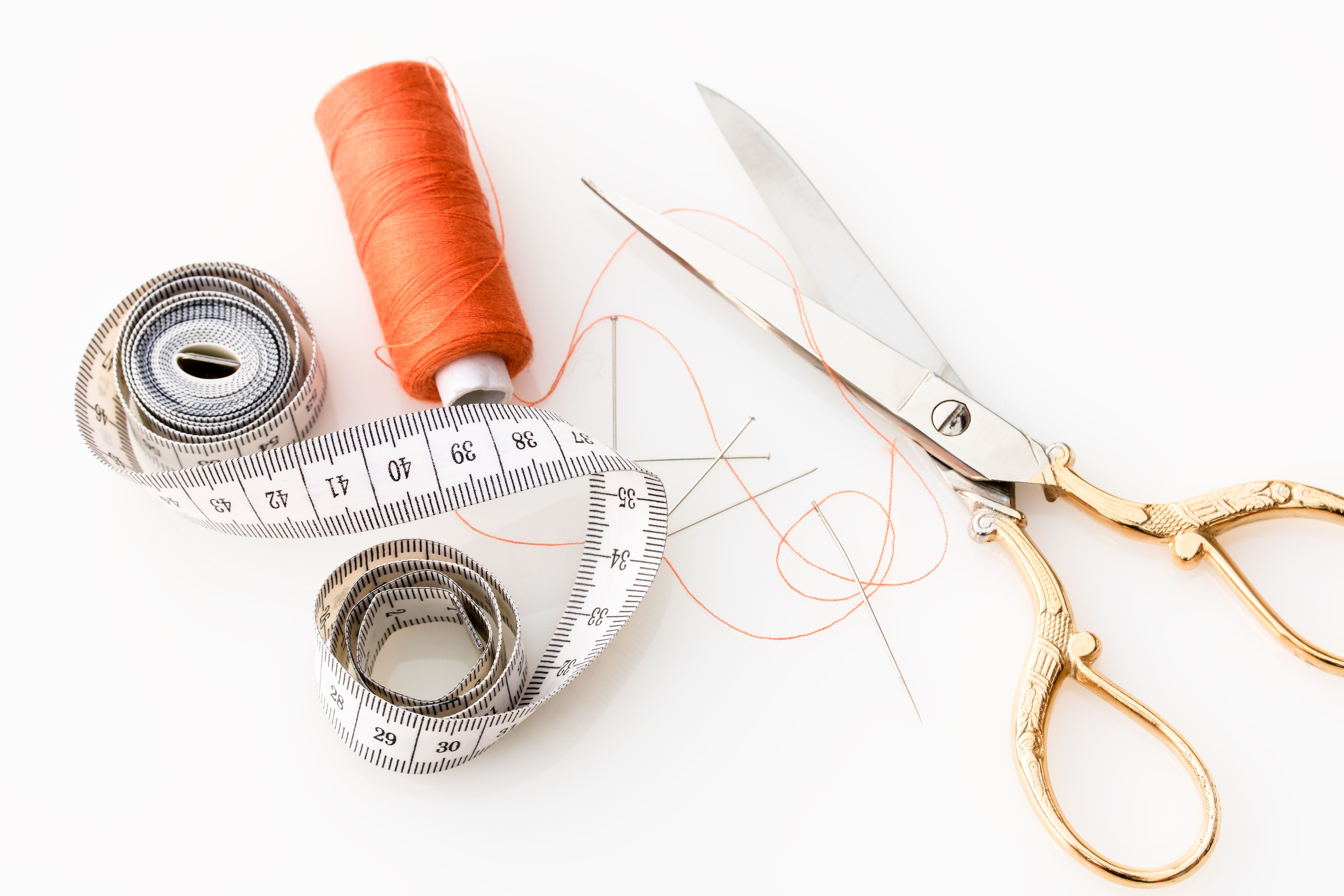
Learn to construct a tailored, lined jacket using a commercial pattern, Palmer/Pletsch fitting techniques, and modern tailoring methods. Master essential skills that will enhance all your sewing projects, including pattern alterations, precision cutting and marking, interfacing and fusing, shoulder and chest shaping, shaped darts, trimming, quality pressing, sleeve heads, buttonholes, pockets, lining, and flawless hems. Basic sewing skills are required.
(Additional costs for materials.)
Target Audience:
Please contact the College upon enrolment if you will require any accommodations or feel there is anything our staff should be aware of to ensure that you enjoy your learning experience.
Things to bring:
The suggested patterns below contain fitting and sewing instructions of a more detailed nature making them ideal for this course.
Pattern: McCalls 6172 (Palmer Pletsch pattern with detailed instructions), McCalls 6655, McCalls 6329
Alternatively, a pattern for a lined blazer if those listed aren’t available. Suggestions are Vogue 833, Vogue 9342, Vogue 9336, Vogue 9099, New Look 6583, Burda Style 6746, Butterick 6641, Vogue 9351.
If you have never sewn a jacket, choose one with fewer details to sew.
Size: You will need to take 2 measurements in order to ascertain your correct pattern size.
1. Chest or High Bust – measure around the body, directly under the arms and across the top of the breasts.
2. Full Bust – measure over the fullest part of the bust and then straight across
the back.
Buy according to your bust measurement, not your clothing size, unless your full bust measurement is 5cm or more than the high bust measurement. If this is the case, then substitute the high bust measurement for bust on the measurement chart when buying your pattern.
Fabric: The best fabrics for tailoring are wool fabrics such as Tweed, Flannel or wool blends. Linen is also suitable but is not quite so easy to work with.
Calico is suitable if you would like to make a test garment first.
Colour: Avoid checks and stripes. Dark colours such as black can be hard on the eyes to work with, but are good basic wardrobe colours. Medium colours are easier to work with.
Lining: Lining fabric such as Sunsilky or Bemberg
Interfacing: Fusible woven knit interfacing only such as Whisperweft or Armoweft. These are brand names of interfacing suitable for this course. These do require preshrinking by soaking in hot tap water for 10 minutes, then drip dry over a towel. Buy interfacing according to yardage on back of pattern.
Sewing Kit:
• Pressing cloth
• A box of fine large head pins in a magnetic pincushion
• Tape measure
• Soft lead pencil
• Red and green fine felt tip pens
• Two rolls of 12mm Scotch brand magic transparent tape
• Weighted table tape dispenser
• Paper scissors
• Gridded plastic ruler (eg quilters), plastic ruler or dressmakers square
• 6mm elastic to tie around your waist
• Note pad and pen
• Basic sewing kit (scissors, needles, quick unpick, marking chalk etc)
• Palmer/Pletsch gridded pattern tissue (from Lincraft, Spotlight or online) or white gift wrap tissue. Greaseproof paper is too stiff.
Notions:
- 1 x reel matching thread
- 1 x reel contrasting thread
- 1 pair shoulder pads according to size recommended on pattern
- 1 metre x 6mm pre-shrunk cotton tape
- ?Buttons – quantity as per pattern envelope
Where to Buy: Spotlight, Lincraft, New Century (Penrith), The Fabric Store or Tessuti Fabrics (both at Surry Hills), The Remnant Warehouse (Alexandria) and Metro Fabrics (Tempe).
Patterns can be purchased at Spotlight or Lincraft or online at:
http://www.sewing-patterns.com, http://www.mccalls.com, http://www.simplicity.com and sometimes on http://www.ebay.com.au
While the college does have sewing machines available, you may wish to bring your own to use.
Prior to attending the first lesson students should:
1. Preshrink all washable fabric and linings by washing with detergent at the same water temperature you plan to use when laundering.
2. Fabrics marked “dry clean only” can be steam pressed using a steam iron. Iron the fabric from side to side (not diagonally) and steam evenly. Allow the steamed fabric to dry thoroughly before moving.
If you have any questions regarding any of the above, please contact the College.
Learning Outcomes:
- Students will learn modern machine tailoring, fusing and fitting techniques which will enable them to construct and fit their own jacket.
Learning Methods:
Program Benefits:
- Learn to tailor, fuse and fit
- Create your own tailored jacket
Content:
- Basic alteration and cutting techniques
- Learn fusing and pressing techniques
- Creating pockets, collars, sleeves and shoulder pads
- Working with lining
- Creating a tailored jacket for your own fit
Upcoming Workshops
| Name | Date | Time | Location | Available Spaces | Cost | |
| 97TAIW426 – Sewing: Tailoring Made Easy | Sunday, December 6, 2026 | 09:00 am – 05:00 pm | Penrith Campus | 7 | $214.00 |